 STAYAVAILABLE TO CLAIM
Kos
Atlantis Hotel Kos
This stay can be claimed by its owner.
Public-source profile · availability and owner verification are not confirmed.
👥 2 guests🛏️ 1 bedrooms
Description & amenities +
1 bedroom1 bathroomSleeps up to 2

Explore accommodation profiles and local information for Kos. Active offers are shown separately when available.
5 stays · 0 active deals.
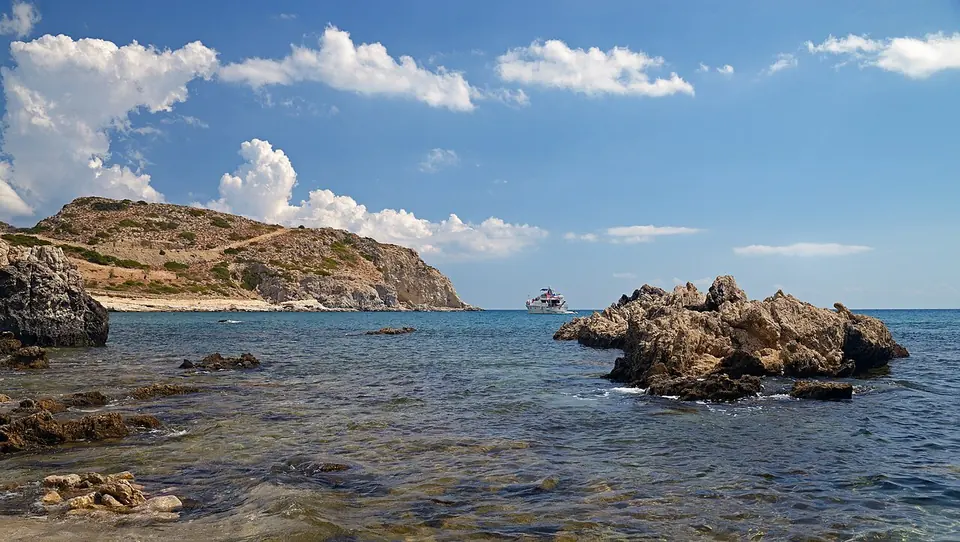
Illustrative destination imageDodecanese · Greece
STAYAVAILABLE TO CLAIMThis stay can be claimed by its owner.
Public-source profile · availability and owner verification are not confirmed.
STAYAVAILABLE TO CLAIMThis stay can be claimed by its owner.
Public-source profile · availability and owner verification are not confirmed.
STAYAVAILABLE TO CLAIMThis stay can be claimed by its owner.
Public-source profile · availability and owner verification are not confirmed.
STAYAVAILABLE TO CLAIMThis stay can be claimed by its owner.
Public-source profile · availability and owner verification are not confirmed.
STAYAVAILABLE TO CLAIMThis stay can be claimed by its owner.
Public-source profile · availability and owner verification are not confirmed.
A quick visual look at the area. These are destination images, not photos of a specific property.
Úti cél imagery · not property photos.
Jump straight to what you need — getting there, local transport, essential services, beaches, sights, culture and food.
Practical destination information, with a visible source and last-checked date whenever we show a specific fact.
99 source-backed facts · 65 sources · 94% topic coverage · last checked
Open only the answer you need. Összes content remains server-rendered inside the page.
The airport’s official website provides dedicated information for access by bus and taxi, confirming the main transfer options. Kos International Airport “Hippocrates” is located in the Antimachia area, approximately 27 km from Kos Town.
Lambi is linked to Kos Town by a coastal cycle path, while Psalidi has an extended cycle path separated from the main road. The flat terrain and cycle-path network make bicycles a popular way to get around Kos Town, with bicycle-rental businesses operating on the island.
The official tourism website includes an “Easy access” filter and marks beaches including Agios Stefanos, Kardamena, Kochylari and Lagada as easy access. For immediate local assistance, the official tourism website lists Kos Hospital, ambulance, police and fire-service contacts.
Kos offers long sandy beaches, pebbled bays, rocky coves, clear waters and hot springs, providing varied settings for swimming and coastal exploration. Kos has a 112-kilometre coastline and dozens of beaches, including sandy shores, pebble coves, rocky inlets, quiet beaches and thermal springs. Twelve coasts are described as Blue Flag awarded.
Kos’s major archaeological monument develops across three terraces and is associated with the cult of Asclepius, healing and medical teaching. The Asklepieion is one of Kos’s principal archaeological sites, closely associated with the ancient cult of Asklepios and the island’s medical heritage.
Located on Mount Zini near Kefalos, the cave was used as a place of worship from the Late Neolithic period. Old Pyli is an abandoned medieval fortified settlement on a wooded slope, with a castle dating from the 11th century.
Local cuisine includes traditional recipes and distinctive products such as mizithra and wine cheese, linked to the island’s food production and customs. Kos cuisine follows the Mediterranean diet and makes extensive use of fresh products from the island’s agriculture, livestock farming and fishing.
Check ports, ferry and flight connections for Kos before confirming a stay. Recheck official sources for live timetables and fares before travelling.
The airport’s official website provides dedicated information for access by bus and taxi, confirming the main transfer options.
Kos International Airport “Hippocrates” is located in the Antimachia area, approximately 27 km from Kos Town.
Kos Airport is among the 14 regional airports operated by Fraport Greece.
Kos Airport uses the KGS/LGKO codes and is located near Antimachia, about 27 km west of Kos Town.
Kos port serves connections with Piraeus and other Greek destinations, as well as routes to neighbouring islands.
Kos is connected by air with Athens and also has direct links to Greek destinations such as Thessaloniki, Rhodes and Heraklion, mainly during the tourist season.
The local KTEL operates regular services from island settlements to Kos Town, providing a principal car-free travel option.
KTEL Kos operates intercity routes from Kos Town to destinations including Kefalos, Kardamena, Marmari, Zia, Antimachia, Tigaki, Pyli and Mastichari.
Kos Town contains the island’s main port, serving both scheduled ferries and day excursions.
Kos’s main port, known as Mandraki, is located in the city centre and is the island’s principal maritime access point.
Kos has a road network serving visitor travel across the island, with car and motorcycle rental services available.
The airport is reached from Kos Town via the Kos–Kefalos district road; the official tourism site gives a distance of about 23.5 km.
Official airport serving the area. Check your flight and airport transfer on the same day.
Confirm the port and last sailing before leaving. For an emergency at sea: 108 or 112.
Local buses, taxis, transfers, rentals, parking, walking and other practical ways to move around Kos.
Lambi is linked to Kos Town by a coastal cycle path, while Psalidi has an extended cycle path separated from the main road.
The flat terrain and cycle-path network make bicycles a popular way to get around Kos Town, with bicycle-rental businesses operating on the island.
The Municipality of Kos describes cycling as especially popular in the city because of the terrain and extensive cycle paths; bicycle-rental businesses operate across the island.
Numerous vehicle-rental offices operate across the island, useful for reaching more remote settlements and attractions.
Kos Airport hosts car-rental offices, including Hertz, Sixt, Europcar and AVIS.
KTEL Kos connects Kos Town with settlements across the island, providing a practical option for car-free travel.
Municipal buses serve Kos Town and areas including Psalidi, Agios Fokas, Lambi, Alikarnassos and Platani. The Kos Near Bus application provides stop and route information.
The KOS NEAR BUS app provides information about urban bus services, stops, bus arrival times and nearby points of interest.
Kos KTEL connects Kos Town with several island areas and settlements, including Kefalos, Kardamena, Marmari, Zia, Antimachia, Tigaki, Pyli and Mastichari.
Kos Airport “Ippokratis” provides parking facilities for cars and buses.
The main taxi rank is on Akti Kountouriotou in Kos Town. The official tourism site provides links to radio-taxi and online-booking services.
Kos Airport “Ippokratis” provides taxi service, with dedicated official guidance for taxi travel to and from the airport.
Licensed private transfer services operate with an airport handling point in Kos Airport’s arrivals hall, supporting pre-booked transfers.
Kos Town’s historic centre is suitable for walking, with narrow lanes, archaeological sites and major landmarks around Eleftherias Square.
Kos Town has a compact urban setting and a network of cycle paths, supporting a combination of walking and cycling for city journeys.
Useful numbers, emergency services, health, tourist information, accessibility and public services. Specific details include their source.
The official tourism website includes an “Easy access” filter and marks beaches including Agios Stefanos, Kardamena, Kochylari and Lagada as easy access.
For immediate local assistance, the official tourism website lists Kos Hospital, ambulance, police and fire-service contacts.
For emergencies in Greece, visitors can call 112, 166 for ambulances, 100 for police and 199 for the fire service.
For urgent assistance in Kos, the Municipality’s official tourism website lists contact details for Kos Hospital, the ambulance service, police and fire department.
The Ministry of Health’s free 1566 line provides general information about health services 24 hours a day, seven days a week.
Kos Health Centre is located in Platani, Kos 85300, with telephone number 2242047352 and email kykos@2dype.gov.gr.
In an emergency in Kos, the national numbers include 112 for European emergency response, 166 for ambulance, 100 for police and 199 for fire services.
Kos.gr is the official tourism website of Kos, managed by the Municipality of Kos, with visitor, transport and contact information.
The Municipality of Kos Tourism Promotion and Development Office provides visitor information by phone at +30 22420 20107.
The official tourism website lists contact details for the port authority, airport, buses, taxis and Kos Marina.
The Municipality of Kos Tourism Promotion & Development Office provides visitor information at +30 22420 20107.
Kos Tourist Police is listed in the official visitor contacts with telephone number +30 22420 26666.
24/7 and free. Connects to Police, Fire Service, EKAB ambulance and Coast Guard.
For immediate police intervention throughout Greece.
For emergency medical help and transport.
To report a fire. In immediate danger also use 112.
For emergencies at ports or at sea.
Tourist Police service line.
Beaches, hiking, water activities, boat trips, diving and family options in Kos.
Kos offers long sandy beaches, pebbled bays, rocky coves, clear waters and hot springs, providing varied settings for swimming and coastal exploration.
Kos has a 112-kilometre coastline and dozens of beaches, including sandy shores, pebble coves, rocky inlets, quiet beaches and thermal springs. Twelve coasts are described as Blue Flag awarded.
Kos activities include boat tours to explore the seabed, as well as excursions to nearby islands such as Pserimos and Symi.
Kos dive centres are described as catering to beginners and experienced divers, offering diving, snorkelling and PADI courses, including options for children with no prior experience.
Kos’s volcanic background has created underwater caves and reefs. Suggested sites include Therma, Pserimos and the Thor Star wreck.
The Tsoukalaria–Bike Park Route 1 is an easy ride through woodland with panoramic views and picnic areas, described as suitable for riders of all levels.
Kos offers hikes ranging from forest walks to the summit of Mount Dikaios. The Paleo Pyli route combines woodland with a medieval settlement and castle, while the trail from Zia reaches the 846-metre summit with panoramic views.
Two notable hiking routes lead to Palio Pyli, with its medieval settlement and castle, and Mount Dikaios, Kos’s highest mountain at 846 metres.
Kos has numerous mountain-bike routes near the island centre, from beginner-friendly rides to more demanding crossings of Mount Dikaios, with views of the Aegean and nearby islands.
For gentle nature exploration, the official tourism site highlights Plaka Forest near Antimachia, known for its peacocks and cats, and the woodland around Panagia Tsoukalaria.
Kos offers swimming and snorkelling options ranging from sandy beaches with shallow water to rocky areas and varied underwater landscapes. Agios Stefanos is highlighted for swimming towards the islet of Kastri.
Water sports are available at organised coastal areas across Kos, including Psalidi, Lambi, Kardamena, Kefalos, Tigaki, Marmari and Mastichari.
Marmari, Tigaki, Mastichari and Kefalos are identified as popular areas for windsurfing and kitesurfing because of frequent winds.
Kos offers windsurfing, kitesurfing, waterskiing, parasailing, SUP, jet skiing, kayaking, flyboarding and inflatable rides. Key areas include Psalidi, Lambi, Kardamena, Kefalos, Tigaki, Marmari and Mastichari.
Museums, archaeological sites, monuments, religious sites and cultural venues. Confirm hours and tickets with the official source before visiting.
Kos’s major archaeological monument develops across three terraces and is associated with the cult of Asclepius, healing and medical teaching.
The Asklepieion is one of Kos’s principal archaeological sites, closely associated with the ancient cult of Asklepios and the island’s medical heritage.
The collection explores the cult of Asklepios, ancient religion and sacred laws through inscriptions originating mainly from Kos’s Asklepieion.
The Roman Odeon in the town centre was built in the 2nd century AD and could accommodate about 750 spectators. Restored marble seating and mosaics survive.
Kos’s cultural traditions include religious celebrations, festivals, honey fairs, folkloric customs and revivals of ancient or local traditions.
Located on Eleftherias Square, the museum provides a central introduction to finds from the Ancient Agora, Western Archaeological Zone, Odeon and Casa Romana.
The medieval settlement and castle of Old Pyli date from the 11th century and occupy a naturally fortified hilltop position.
The Ancient Agora was the commercial and social centre of the ancient city. The archaeological zone also includes fortifications, sanctuaries, houses and part of the ancient harbour.
Kos Town brings together remains from the Hellenistic, Roman, Byzantine, medieval, Ottoman and Italian periods, creating a concentrated historic landscape for exploration.
Casa Romana is a restored Roman house with three courtyards, frescoes, mosaics and marble floors, displaying pottery, coins, glassware and sculptures.
The collection illuminates the cult of Asclepius, ancient religion and sacred laws through inscriptions mainly originating from the Asclepieion.
The museum presents Kos’s history through finds from sanctuaries, the Ancient Agora, the Odeon and the Roman Villa. It occupies a protected building from the Italian period.
Located in Kos Town, the museum presents finds from excavations across the island, especially the Ancient Agora and Western Archaeological Zone, with sculptures and mosaics spanning antiquity to the late Roman period.
At Kamari Bay near Kefalos, two Early Christian basilicas survive, dating from the 5th and 6th centuries AD, with mosaic remains and a baptistery.
Landmarks, villages, nature, viewpoints, protected areas and day-trip ideas around Kos.
Located on Mount Zini near Kefalos, the cave was used as a place of worship from the Late Neolithic period.
Old Pyli is an abandoned medieval fortified settlement on a wooded slope, with a castle dating from the 11th century.
Antimachia’s Venetian castle stands above the surrounding area and offers panoramic views towards Kefalos Bay.
Around Eleftherias Square, visitors can walk through the historic centre and Old Town before visiting the Ancient Agora and Western Archaeological Zone.
In Kos Town’s historic centre, Phoinikon Street leads to the bridge, the Plane Tree of Hippocrates and the entrance to the Medieval Castle of the Knights, beside the Loggia Mosque.
Plaka Forest is one of Kos’s characteristic natural landscapes, known for peacocks and walks through a pine-covered setting.
West of Antimachia, Plaka’s pine forest offers shaded woodland walks and includes the chapel of Agios Ioannis Prodromos.
The Tigaki salt pans and Psalidi wetland are notable places for observing migratory and resident birds.
About 4 km from Kos Town, Psalidi is a protected coastal wetland and stopover for migratory birds such as flamingos, herons and ducks.
Between Tigaki and Marmari, the former salt pans form a Natura 2000 protected area important for migratory birds including flamingos, pelicans and herons.
This circular route starts at Messaria and passes through wooded landscapes, Haihoutes, Asomatos and Zia, combining nature with traditional settlements.
Mount Dikaios is Kos’s highest mountain, offering hiking landscapes and views towards nearby islands and the opposite coast.
Zia sits on the slopes of Mount Dikeos and offers panoramic views over Kos’s coastline and the nearby islands of Kalymnos and Pserimos.
Zia, Asfendiou, Lagoudi and Haihoutes stand out for traditional architecture, mountain landscapes and views towards the coastline.
Kefalos combines a traditional hilltop settlement with archaeological remains at Palatia, including a Temple of Demeter, a Hellenistic theatre and Panagia Palatiani overlooking the area.
Above Pyli, the ruins of the medieval settlement and castle of Palio Pyli form a distinctive mountain attraction with panoramic Aegean views.
Local products, markets, culinary traditions, wineries and food experiences. Specific information includes its source.
Local cuisine includes traditional recipes and distinctive products such as mizithra and wine cheese, linked to the island’s food production and customs.
Kos cuisine follows the Mediterranean diet and makes extensive use of fresh products from the island’s agriculture, livestock farming and fishing.
Tomato spoon sweet is a characteristic traditional dessert associated with Kos’s culinary identity.
Kos’s traditional gastronomy is based on local produce, the Mediterranean diet, and a blend of Aegean recipes with Ottoman influences.
Visitors can visit family-run beekeeping units, taste local honey and see how extra-virgin olive oil is processed.
Kos wine experiences combine vineyard visits with tastings of varieties such as Malagouzia, Assyrtiko, Kydonitsa, Syrah and Merlot.
Kos offers visits to vineyards and beekeeping units, wine tasting, and opportunities to learn about olive-oil production.
Visitors can look for local honey, extra-virgin olive oil, melons, watermelons, tomatoes and other seasonal fruits and vegetables.
Kos wine cheese is matured in red wine and is a distinctive island product; shops also offer mizithra, graviera, kefalotyri and other local dairy products.
Kos’s key local food products include honey, extra virgin olive oil, and wines made from indigenous local varieties.
Kos’s fertile land produces local watermelons, melons, oranges, figs, tomatoes, lettuce, and other fresh produce.
Kos’s distinctive wine cheese, known as Krasotyri or Possa cheese, is matured in red wine and is registered as a Protected Geographical Indication product.
Local products, fruit and vegetables are available in Kos’s local market, island shops and visitable production sites.
Visitors can seek traditional products in Kos’s local market and shops, or taste them at visitor-friendly production sites.
Kos restaurants combine local ingredients with traditional recipes, ranging from tavernas and seafood restaurants to modern creative cuisine.
Kos has an established modern wine production using local and international grape varieties, including wines covered by a Protected Designation of Origin.
Kos Island Greece — Municipality of Kos tourism website ↗ · retrieved
Kos Island Greece — Municipality of Kos tourism website ↗ · retrieved
Kos Island Greece — Municipality of Kos tourism website ↗ · retrieved
Kos Island Greece — Municipality of Kos tourism website ↗ · retrieved
Kos Island Greece — Municipality of Kos tourism website ↗ · retrieved
Kos Island Greece — Municipality of Kos tourism website ↗ · retrieved
Kos Island Greece — Municipality of Kos tourism website ↗ · retrieved
Kos Municipality Tourism Website ↗ · retrieved
Kos Municipality Tourism Website ↗ · retrieved
Kos Municipality Tourism Website ↗ · retrieved
Kos Municipality Tourism Website ↗ · retrieved
Κως – Επίσημη ιστοσελίδα Τουρισμού Δήμου Κω ↗ · retrieved
Κως – Επίσημη ιστοσελίδα Τουρισμού Δήμου Κω ↗ · retrieved
Κως – Επίσημη ιστοσελίδα Τουρισμού Δήμου Κω ↗ · retrieved
Κως – Επίσημη ιστοσελίδα Τουρισμού Δήμου Κω ↗ · retrieved
Κως – Επίσημη ιστοσελίδα Τουρισμού Δήμου Κω ↗ · retrieved
Κως – Επίσημη ιστοσελίδα Τουρισμού Δήμου Κω ↗ · retrieved
Kos Tourism, Municipality of Kos ↗ · retrieved
Kos Tourism, Municipality of Kos ↗ · retrieved
Kos Tourism, Municipality of Kos ↗ · retrieved
Kos Tourism, Municipality of Kos ↗ · retrieved
Kos Tourism, Municipality of Kos ↗ · retrieved
Kos Tourism, Municipality of Kos ↗ · retrieved
Kos Tourism, Municipality of Kos ↗ · retrieved
Kos Tourism, Municipality of Kos ↗ · retrieved
Municipality of Kos Tourism Website ↗ · retrieved
Municipality of Kos Tourism Website ↗ · retrieved
Municipality of Kos Tourism Website ↗ · retrieved
Municipality of Kos Tourism Website ↗ · retrieved
Municipality of Kos Tourism Website ↗ · retrieved
Directorate of Archaeological Museums, Exhibitions and Educational Programs ↗ · retrieved
Directorate of Archaeological Museums, Exhibitions and Educational Programs ↗ · retrieved
Municipality of Kos Tourism Website ↗ · retrieved
Υπουργείο Πολιτισμού — Directorate of Archaeological Museums ↗ · retrieved
Δήμος Κω — Επίσημη τουριστική ιστοσελίδα ↗ · retrieved
Υπουργείο Πολιτισμού — Directorate of Archaeological Museums ↗ · retrieved
Δήμος Κω — Επίσημη τουριστική ιστοσελίδα ↗ · retrieved
Kos.gr – Δήμος Κω ↗ · retrieved
Kos.gr – Δήμος Κω ↗ · retrieved
Kos Tourism, Municipality of Kos ↗ · retrieved
Kos Tourism, Municipality of Kos ↗ · retrieved
Kos Tourism, Municipality of Kos ↗ · retrieved
Kos Tourism, Municipality of Kos ↗ · retrieved
Kos Tourism, Municipality of Kos ↗ · retrieved
Kos Tourism, Municipality of Kos ↗ · retrieved
Kos Island Greece – Official Tourism Website ↗ · retrieved
Visit Greece – Greek National Tourism Organisation ↗ · retrieved
2η Υγειονομική Περιφέρεια Πειραιώς & Αιγαίου ↗ · retrieved
Δήμος Κω – Επίσημη Τουριστική Ιστοσελίδα ↗ · retrieved
Δήμος Κω – Επίσημη Τουριστική Ιστοσελίδα ↗ · retrieved
Greek Ministry of Health ↗ · retrieved
Municipality of Kos ↗ · retrieved
Municipality of Kos ↗ · retrieved
Official Tourism Website of Kos Municipality ↗ · retrieved
Hellenic Civil Aviation Authority ↗ · retrieved
KOS NEAR BUS / Δήμος Κω ↗ · retrieved
ΚΤΕΛ ΚΩΣ Α.Ε. ↗ · retrieved
Kos Airport / Fraport Greece ↗ · retrieved
Kos Taxi Transfer Services ↗ · retrieved
Kos Airport – Fraport Greece ↗ · retrieved
Hellenic Civil Aviation Authority ↗ · retrieved
Αρχή Πολιτικής Αεροπορίας ↗ · retrieved
Fraport Greece ↗ · retrieved
Δήμος Κω – Επίσημη τουριστική ιστοσελίδα ↗ · retrieved
ΚΤΕΛ ΚΩΣ Α.Ε. ↗ · retrieved
The guide to Kos remains available even when there is no active last-minute inventory. Use the practical information, create a free alert and return when a new real deal appears.
A deal appears when active dates are supplied by a verified owner or confirmed through the Owner Concierge flow.
On owner-direct listings you can send a request or use the available contact options.
A price is shown only when there is active last-minute availability. Other listings act as property profiles.